


In operation for 100 years between 1792 and 1894, the Hay Inclined Plane was such a blessing – it took 3 minutes instead of 3 hours!
It transported boats between the two canals (Blists Hill and Coalport); at a difference of 63 m in height.
Part of the Shropshire canal, tub boats with wheels were employed and the rails submerged into the canals at each end to gently deposit the 5 ton tubs back onto the water. At the top there was a short sharp climb from the canal to the top of the slope (to prevent loss of water), so it made for quite a roller coaster ride!
The system mostly utilised the power of gravity – with a little help from steam. Because the load (thankfully) was coming down from Blists Hill rather than up, the loaded boats were always travelling downhill, and so the plane was mostly worked by gravity. In other words, empty tub boat goes up as the loaded tub goes down. Of course the speed was controlled with a winding drum. So a small steam engine was required to drive the winding drums. This little steamie also hauled the tubs up and down the short, sharp slope at the top of the incline.
The engine employed was of Heslop’s design; a twin-cylindered rotative beam engine patented in 1790. The remains of the brick boiler house and winding mechanism may be seen at the top of the incline.
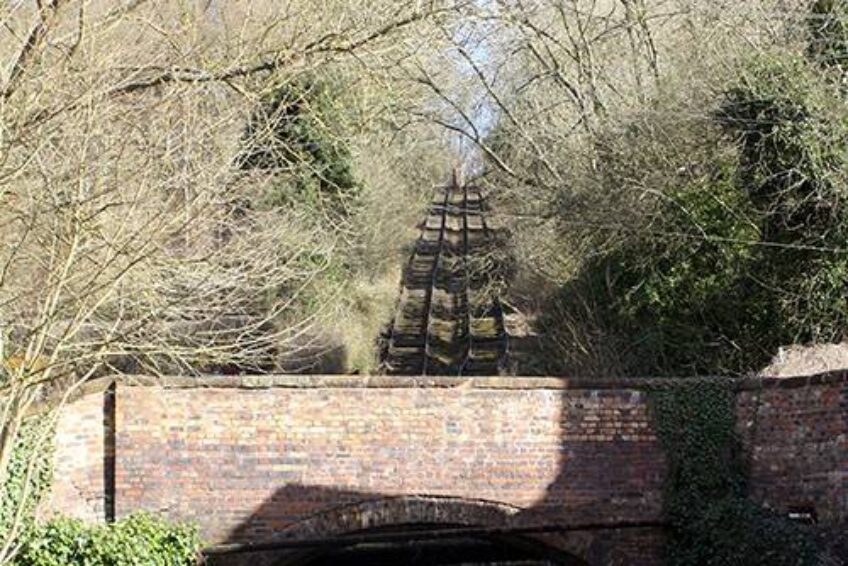
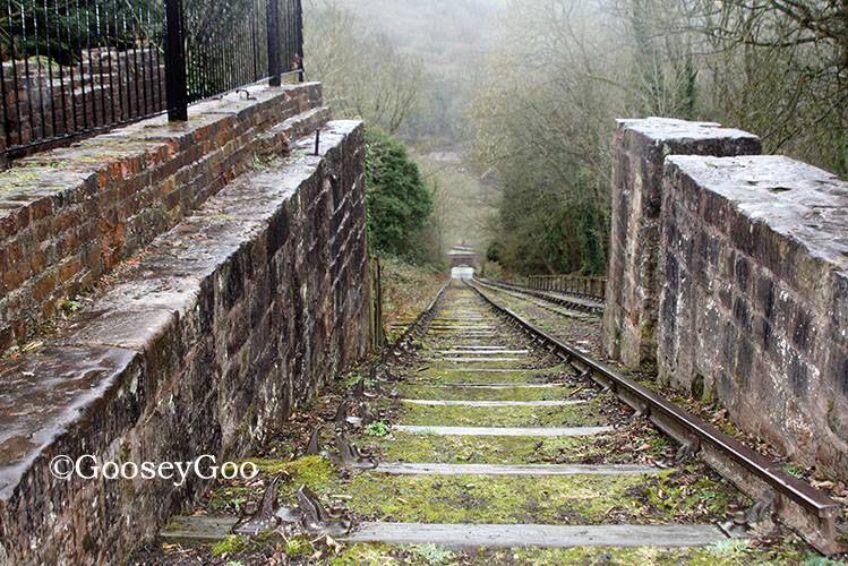
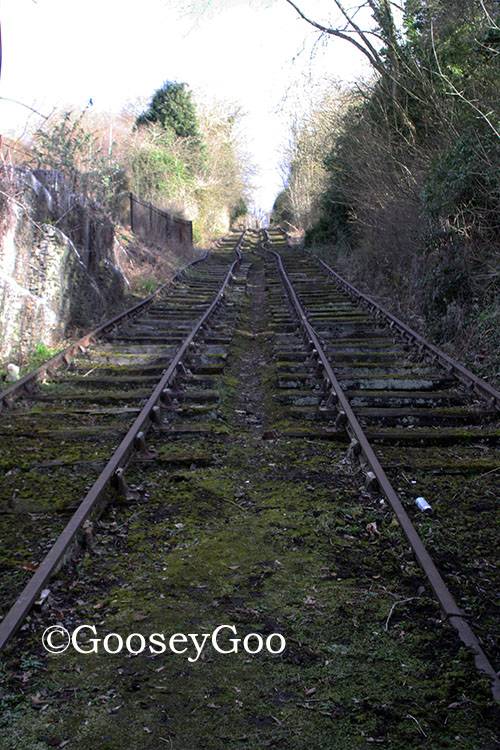
Admire the incline, which has twin rails in situ (although they were removed in 1910), either from the top (access via the Victorian Town Museum) or the bottom (access from Coalport canal stretch).
We recommend both, it is totally marvellous!
In operation for 100 years between 1792 and 1894, the Hay Inclined Plane was such a blessing – it took 3 minutes instead of 3 hours!
It transported boats between the two canals (Blists Hill and Coalport); at a difference of 63 m in height.
Part of the Shropshire canal, tub boats with wheels were employed and the rails submerged into the canals at each end to gently deposit the 5 ton tubs back onto the water. At the top there was a short sharp climb from the canal to the top of the slope (to prevent loss of water), so it made for quite a roller coaster ride!
The system mostly utilised the power of gravity – with a little help from steam. Because the load (thankfully) was coming down from Blists Hill rather than up, the loaded boats were always travelling downhill, and so the plane was mostly worked by gravity. In other words, empty tub boat goes up as the loaded tub goes down. Of course the speed was controlled with a winding drum. So a small steam engine was required to drive the winding drums. This little steamie also hauled the tubs up and down the short, sharp slope at the top of the incline.
The engine employed was of Heslop’s design; a twin-cylindered rotative beam engine patented in 1790. The remains of the brick boiler house and winding mechanism may be seen at the top of the incline.
Admire the incline, which has twin rails in situ (although they were removed in 1910), either from the top (access via the Victorian Town Museum) or the bottom (access from Coalport canal stretch).
We recommend both, it is totally marvellous!