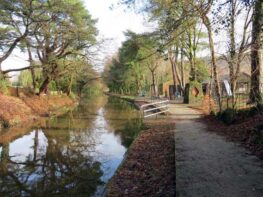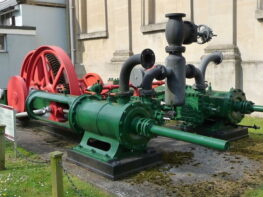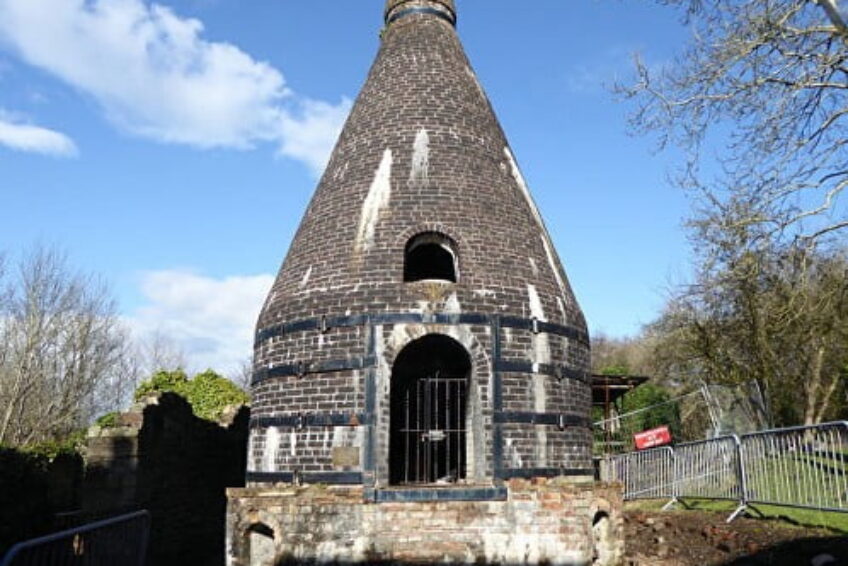
Nantgarw Chinaworks Museum is the only surviving early 19th century porcelain works in the UK!
In the years 1813-1814 and again in the period 1817-1820 the finest porcelain in the world was produced here in Wales by William Billingsley, one of the most remarkable porcelain painters and manufacturers of his time.
Porcelain is a vitrified (glass-like) ceramic with a white, fine-grained body that is usually translucent, as distinguished from earthenware – which is porous, opaque, and coarser.
There are 3 main types of porcelain:
- Hard-paste porcelain – typically the type of porcelain made by the Chinese for more than a thousand years. This is extremely hard, can be slightly gray in colour and has some translucency. It needs to be fired at high temperature.
- Soft-paste porcelain – dates back to early attempts by European potteries in the 18th century to replicate Chinese porcelain by adding a ground glass type substance (known as a frit) to china clay. This porcelain is softer, can be fired at lower temperatures but often lacks strength being prone to collapsing during firing. It is expensive to make due to extra firing costs of the frit and relatively expensive ingredients.
- Bone china – the hybrid – which combines bone ash to hard paste porcelain ingredients to giver a whiter more translucent body and added strength and which can be fired at lower temperatures than hard-paste porcelain.
William Billingsley, born in Derby in 1758, perfected his porcelain recipe, at Nantgarw, with the addition of a variety of ingredients known only to him.
He succeeded in producing the finest porcelain ever made.
After experimenting in firing porcelain in a small kiln installed at his home, he moved constantly and worked at a number of different potteries. At Torksey, Lincolnshire he first came into contact with Samuel Walker, who later married his daughter Sarah in 1812. The family arrived at Flight Barr and Barr’s porcelain factory at Worcester and between 1809 and 1812 Billingsley was instrumental in refining its porcelain recipe, while Walker developed new kiln designs.
The story at Nantgarw starts in late 1813 and a visit to the Nantgarw Chinaworks Museum is a must to learn all about this phase!
He is particularly associated with the rose which he painted in all its aspects. He introduced the new style of painting known as the wiping out process when painting flowers. The ‘Prentice Plate’ was used in the Derby factory as an example of the standard that was expected of new apprentices.
Nantgarw Porcelain is unique in that it is a bone ash/frit based soft-paste porcelain body which no other porcelain can come close to in translucency or whiteness. Furthermore, the glaze on Nantgarw porcelain is the perfect complement to enamelled decoration giving the colours true vibrancy and allowing the decoration to merge into the glaze.
Check out their website for visiting information and information on the courses that they run – HERE!
Remarkably, entry is FREE!
Read about their facilities – HERE!
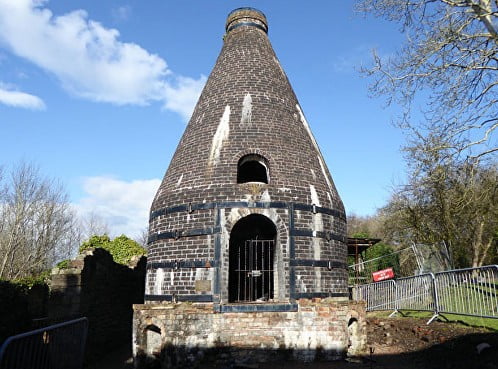
Nantgarw Chinaworks Museum is the only surviving early 19th century porcelain works in the UK!
In the years 1813-1814 and again in the period 1817-1820 the finest porcelain in the world was produced here in Wales by William Billingsley, one of the most remarkable porcelain painters and manufacturers of his time.
Porcelain is a vitrified (glass-like) ceramic with a white, fine-grained body that is usually translucent, as distinguished from earthenware – which is porous, opaque, and coarser.
There are 3 main types of porcelain:
- Hard-paste porcelain – typically the type of porcelain made by the Chinese for more than a thousand years. This is extremely hard, can be slightly gray in colour and has some translucency. It needs to be fired at high temperature.
- Soft-paste porcelain – dates back to early attempts by European potteries in the 18th century to replicate Chinese porcelain by adding a ground glass type substance (known as a frit) to china clay. This porcelain is softer, can be fired at lower temperatures but often lacks strength being prone to collapsing during firing. It is expensive to make due to extra firing costs of the frit and relatively expensive ingredients.
- Bone china – the hybrid – which combines bone ash to hard paste porcelain ingredients to giver a whiter more translucent body and added strength and which can be fired at lower temperatures than hard-paste porcelain.
William Billingsley, born in Derby in 1758, perfected his porcelain recipe, at Nantgarw, with the addition of a variety of ingredients known only to him.
He succeeded in producing the finest porcelain ever made.
After experimenting in firing porcelain in a small kiln installed at his home, he moved constantly and worked at a number of different potteries. At Torksey, Lincolnshire he first came into contact with Samuel Walker, who later married his daughter Sarah in 1812. The family arrived at Flight Barr and Barr’s porcelain factory at Worcester and between 1809 and 1812 Billingsley was instrumental in refining its porcelain recipe, while Walker developed new kiln designs.
The story at Nantgarw starts in late 1813 and a visit to the Nantgarw Chinaworks Museum is a must to learn all about this phase!
He is particularly associated with the rose which he painted in all its aspects. He introduced the new style of painting known as the wiping out process when painting flowers. The ‘Prentice Plate’ was used in the Derby factory as an example of the standard that was expected of new apprentices.
Nantgarw Porcelain is unique in that it is a bone ash/frit based soft-paste porcelain body which no other porcelain can come close to in translucency or whiteness. Furthermore, the glaze on Nantgarw porcelain is the perfect complement to enamelled decoration giving the colours true vibrancy and allowing the decoration to merge into the glaze.
Check out their website for visiting information and information on the courses that they run – HERE!
Remarkably, entry is FREE!
Read about their facilities – HERE!