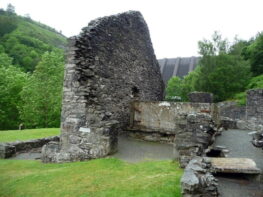
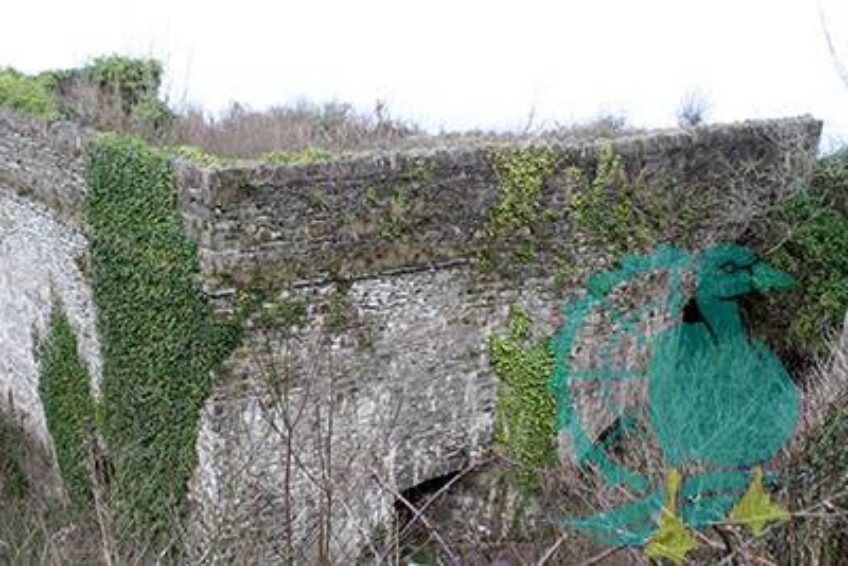

The limekilns at Bucks Mills, North Devon, where the land meets the sea, are thought to date back as far as the Elizabethan era, but another source suggests circa 1760.
The enrichment of the inland soils and construction of buildings needed lime in various guises and this was provided by the arrival of limestone and coal from south Wales by boat. Indeed limekilns like these can be found dotted all along the North Devon coast.
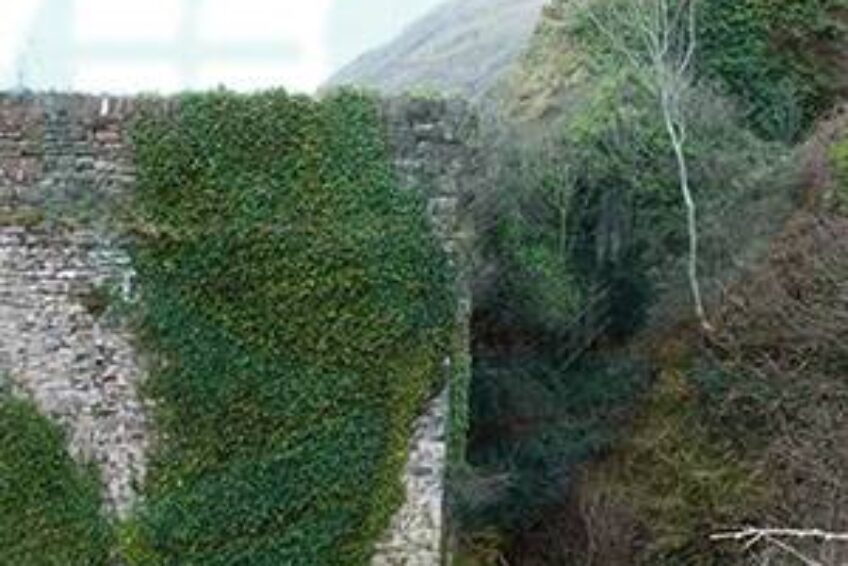
What remains is crumbling quickly, but you can still cast your eye on the mighty inclined plane and the massive ‘castle-like, limekiln on the coast’.
The little road into the village consists of an impressive cutting through the native rock, proving the lengths to which the people went to provide and distribute this valuable lime. After all, we didn’t import the quantities of food that we do now, and we relied heavily on the quality of our soils and the wisdom to grow and harvest the crops.
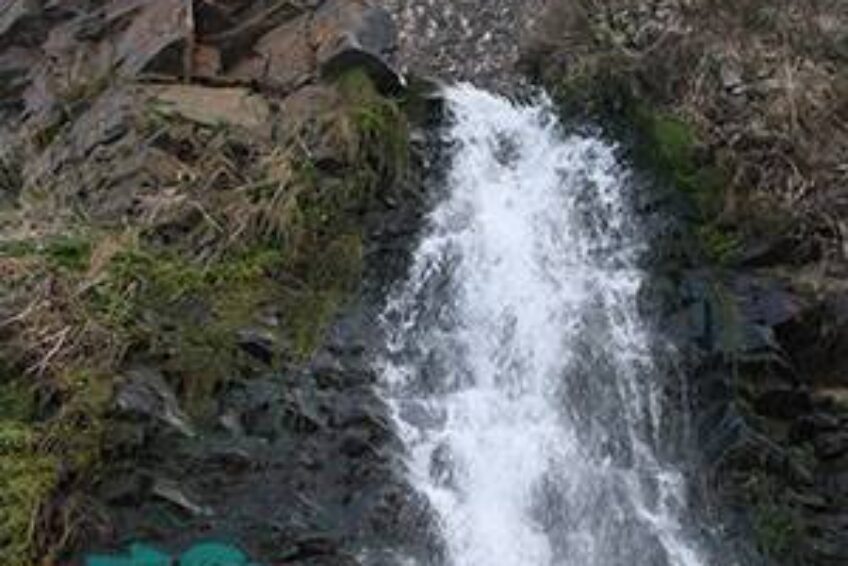
The fast flowing river that still runs through the valley-village of Bucks Mills used to power water wheels for flour production and powering machinery. Yet there is more here still, for the surrounding woods shroud the iron age hill fort called Peppercombe Castle and the cliff-faces expose the unique striped geology of the area.
Parking is FREE! and located on your right before you enter the tiny village (which is a dead end). Walk down through the delightfully unspoilt village until you discover the limekiln and the sea.
Bucks Mills Car Park, EX39 5DY.
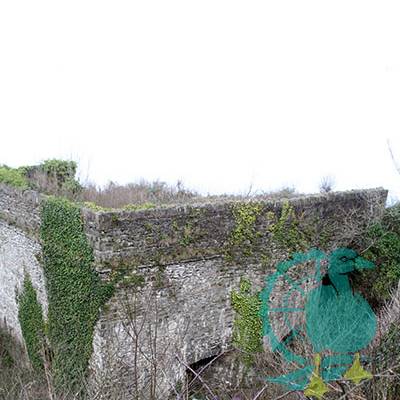
The limekilns at Bucks Mills, North Devon, where the land meets the sea, are thought to date back as far as the Elizabethan era, but another source suggests circa 1760.
The enrichment of the inland soils and construction of buildings needed lime in various guises and this was provided by the arrival of limestone and coal from south Wales by boat. Indeed limekilns like these can be found dotted all along the North Devon coast.
What remains is crumbling quickly, but you can still cast your eye on the mighty inclined plane and the massive ‘castle-like, limekiln on the coast’.
The little road into the village consists of an impressive cutting through the native rock, proving the lengths to which the people went to provide and distribute this valuable lime. After all, we didn’t import the quantities of food that we do now, and we relied heavily on the quality of our soils and the wisdom to grow and harvest the crops.
The fast flowing river that still runs through the valley-village of Bucks Mills used to power water wheels for flour production and powering machinery. Yet there is more here still, for the surrounding woods shroud the iron age hill fort called Peppercombe Castle and the cliff-faces expose the unique striped geology of the area.
Parking is FREE! and located on your right before you enter the tiny village (which is a dead end). Walk down through the delightfully unspoilt village until you discover the limekiln and the sea.
Bucks Mills Car Park, EX39 5DY.