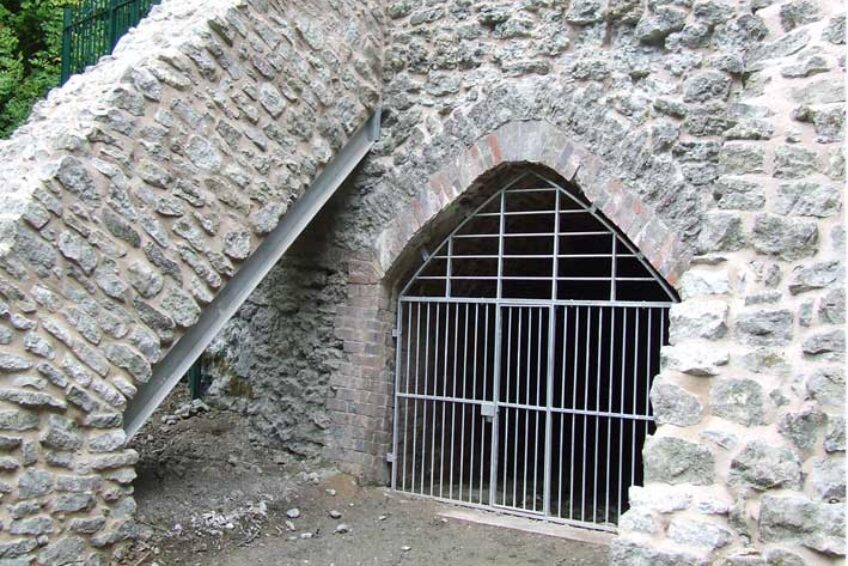
The Bower Yard Lime Kilns are some of the oldest lime kilns in the World Heritage Site.
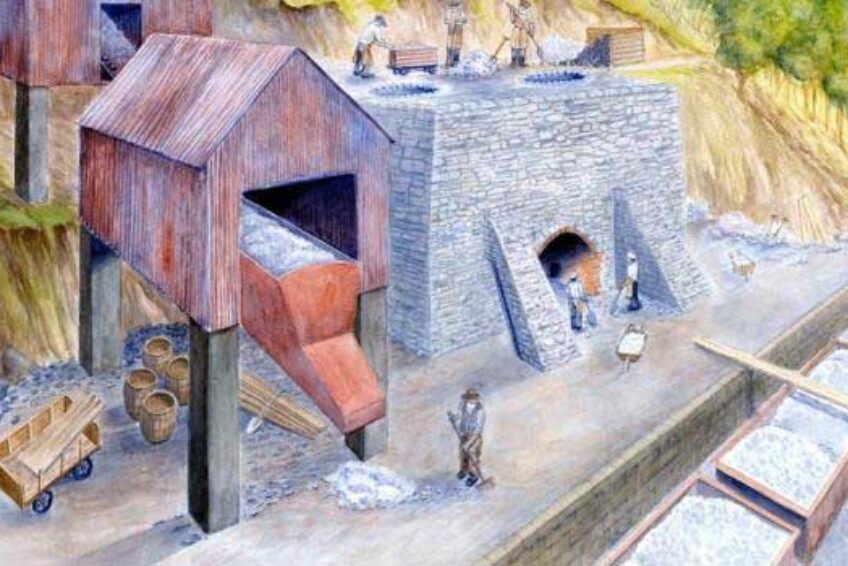
A steep inclined plane linked the kilns with the quarries on Benthall Edge.
Just a short walk from the iron bridge, the 19th century Bowers Yard industrial site, which includes the lime kilns, a crushing plant and railway sidings with loading facilities, saw thousands of tons of limestone from the Benthall Edge Quarries burnt to produce lime for the region’s busy construction industry.
The lime kilns were originally built during the mid 1800s and operated until the1870s, after which it fell into disrepair.
The kilns processed limestone into lime. The rock was quarried from the steep sided Ironbridge Gorge at Benthall Edge. The quarries were busy in the 18th and 19th century, providing flux for use in the iron industry around Ironbridge and Coalbrookdale. While much of the best limestone was transported to the iron-making furnaces on the north side of the river, other grades of limestone was processed in lime kilns at the eastern end of the woods.
For around 1835 until 1897, the Bower Yard was the site of the Bower Yard White Brickworks. Clay was mined from Benthall Edge and brought to the works via a tramway and small incline plane over the railway. The brickworks owners were also barge operators, exporting most of their products by river.
In 1897, the works became the Benthall Firebrick Works, although mainly making glazed sanitary pipes by the 1920s. It became the Benthall Stoneware Company, before World War II and finally closed in 1955.
A date of ‘1928’ is inscribed above the kiln arch, indicating a date when it was repaired and from which the kiln was put into production again. It was also at this time when a railway siding was built to transport limestone from the nearby Benthall Edge quarries.
Limestone from the quarries near the top of Benthall Edge was brought down to a terminal near the siding by a self-acting incline plane, then it was moved to the kilns for burning. For some years, the GWR brought coal to the kilns and transported the lime to various areas of the country – they also used large quantities for cement in their own civil engineering operations.
The site enjoyed a brief renaissance in the mid 20th century before the plant finally closed.
Visible from the Severn Valley Way, this bank of lime kilns is one of the best preserved monuments of an industry which was once of great importance in the Gorge.
The Severn Gorge Countryside Trust have raised the money (£70k) for the restoration of the structure and produced a lovely little leaflet packed with info and detailing the Lime Trail of Benthall Edge. It’s a 3km woodland walk which take you round the former action zones of the Benthall Edge lime industry.
Get it – HERE!
Park in the car park by the toll house at the end of the Iron Bridge and follow the track under the bridge up the river – enjoy!
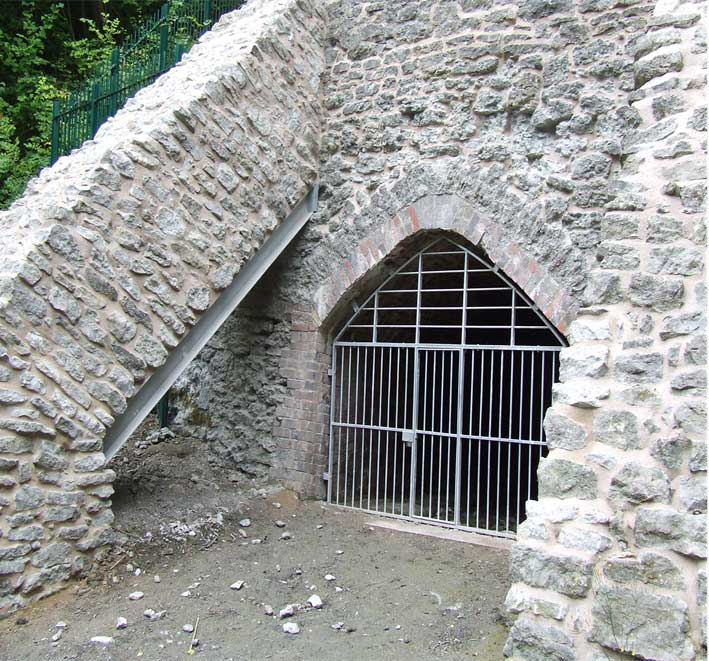
The Bower Yard Lime Kilns are some of the oldest lime kilns in the World Heritage Site.
A steep inclined plane linked the kilns with the quarries on Benthall Edge.
Just a short walk from the iron bridge, the 19th century Bowers Yard industrial site, which includes the lime kilns, a crushing plant and railway sidings with loading facilities, saw thousands of tons of limestone from the Benthall Edge Quarries burnt to produce lime for the region’s busy construction industry.
The lime kilns were originally built during the mid 1800s and operated until the1870s, after which it fell into disrepair.
The kilns processed limestone into lime. The rock was quarried from the steep sided Ironbridge Gorge at Benthall Edge. The quarries were busy in the 18th and 19th century, providing flux for use in the iron industry around Ironbridge and Coalbrookdale. While much of the best limestone was transported to the iron-making furnaces on the north side of the river, other grades of limestone was processed in lime kilns at the eastern end of the woods.
For around 1835 until 1897, the Bower Yard was the site of the Bower Yard White Brickworks. Clay was mined from Benthall Edge and brought to the works via a tramway and small incline plane over the railway. The brickworks owners were also barge operators, exporting most of their products by river.
In 1897, the works became the Benthall Firebrick Works, although mainly making glazed sanitary pipes by the 1920s. It became the Benthall Stoneware Company, before World War II and finally closed in 1955.
A date of ‘1928’ is inscribed above the kiln arch, indicating a date when it was repaired and from which the kiln was put into production again. It was also at this time when a railway siding was built to transport limestone from the nearby Benthall Edge quarries.
Limestone from the quarries near the top of Benthall Edge was brought down to a terminal near the siding by a self-acting incline plane, then it was moved to the kilns for burning. For some years, the GWR brought coal to the kilns and transported the lime to various areas of the country – they also used large quantities for cement in their own civil engineering operations.
The site enjoyed a brief renaissance in the mid 20th century before the plant finally closed.
Visible from the Severn Valley Way, this bank of lime kilns is one of the best preserved monuments of an industry which was once of great importance in the Gorge.
The Severn Gorge Countryside Trust have raised the money (£70k) for the restoration of the structure and produced a lovely little leaflet packed with info and detailing the Lime Trail of Benthall Edge. It’s a 3km woodland walk which take you round the former action zones of the Benthall Edge lime industry.
Get it – HERE!
Park in the car park by the toll house at the end of the Iron Bridge and follow the track under the bridge up the river – enjoy!